
High quality is required, including strength for high-speed offset printing and opacity for readability. Ultra-light papers and high-white colored newsprint are also being developed to increase pages and improve environmental friendliness.
It is used in publications such as books, magazines, textbooks, and reference books, as well as in flyers, catalogs, pamphlets, manuals, and other printed materials around us. The high-quality paper is one of the most representative of these, and it is non-coated printing paper with high whiteness using 100% virgin pulp. Art paper (also called A1), high-quality coated paper (A2), and high-quality light coated paper (A3) are coated with paint on woodfree and are distinguished by the amount of paint applied. In addition, fine and medium-quality paper coated with a small amount of paint is used in large quantities for flyers.
Demand for communication paper has increased significantly due to the progress of IT. communication paper has a wide range of uses and is deeply involved in our lives. In addition, varieties are diversifying due to advances in printing technology and the need for environmental friendliness.
|
Type |
Application |
Scene |
Name of slip, etc. |
|
Non-carbon paper |
Mobile phone |
Application |
Application form for contract |
|
Credit card |
Shopping by using card |
Customer copy |
|
|
Bank |
Opening of a new account |
Application form |
|
|
Data printing |
Total process from data printing to shipmen |
Direct mail |
|
|
Form paper |
Mobile phone |
Charging and use details |
Invoice and usage statement |
|
Bank |
When a transaction is not recorded on the passbook |
Non-recorded transaction statement |
|
|
School |
Individual workbook |
Output paper |
|
|
Data printing |
Total process from data printing to shipment |
Direct mail |
|
|
Carbon copy paper |
Shipment of packages |
Home delivery service |
Delivery slip |
|
Thermal paper |
Credit card |
Shopping by using card |
Customer copy |
|
Bank |
When withdrawing cash at ATM |
Account statement |
|
|
Supermarket and convenience store |
Cash register |
Receipt |
|
|
Electricity, gas, and water charges |
Meter reading |
Meter reading slip |
|
|
Restaurant |
Order, cash register |
Kitchen printer sheet |
|
|
Racetrack and motorboat racetrack |
Issuing of betting slip |
Betting slip |
|
|
Plain Paper Copier (PPC)paper |
Office, school |
Copy |
Copy paper |
|
Household |
Printer for PC |
Printer sheet |
|
|
OCR paper |
School |
Entrance examination |
Answer paper |
|
Hospital |
Medical fees charged by doctor |
Medical fee statement (medical expenses statement) |
|
|
Press fitted postcards paper |
Hospital |
Notice of amount used sent by a health insurance association |
Medical charges notification |
|
Data printing |
Total process from data printing to shipment |
Direct mail |
|
|
Japan Pension Service |
Pension enrollment record notification |
Pension coverage regular notification |
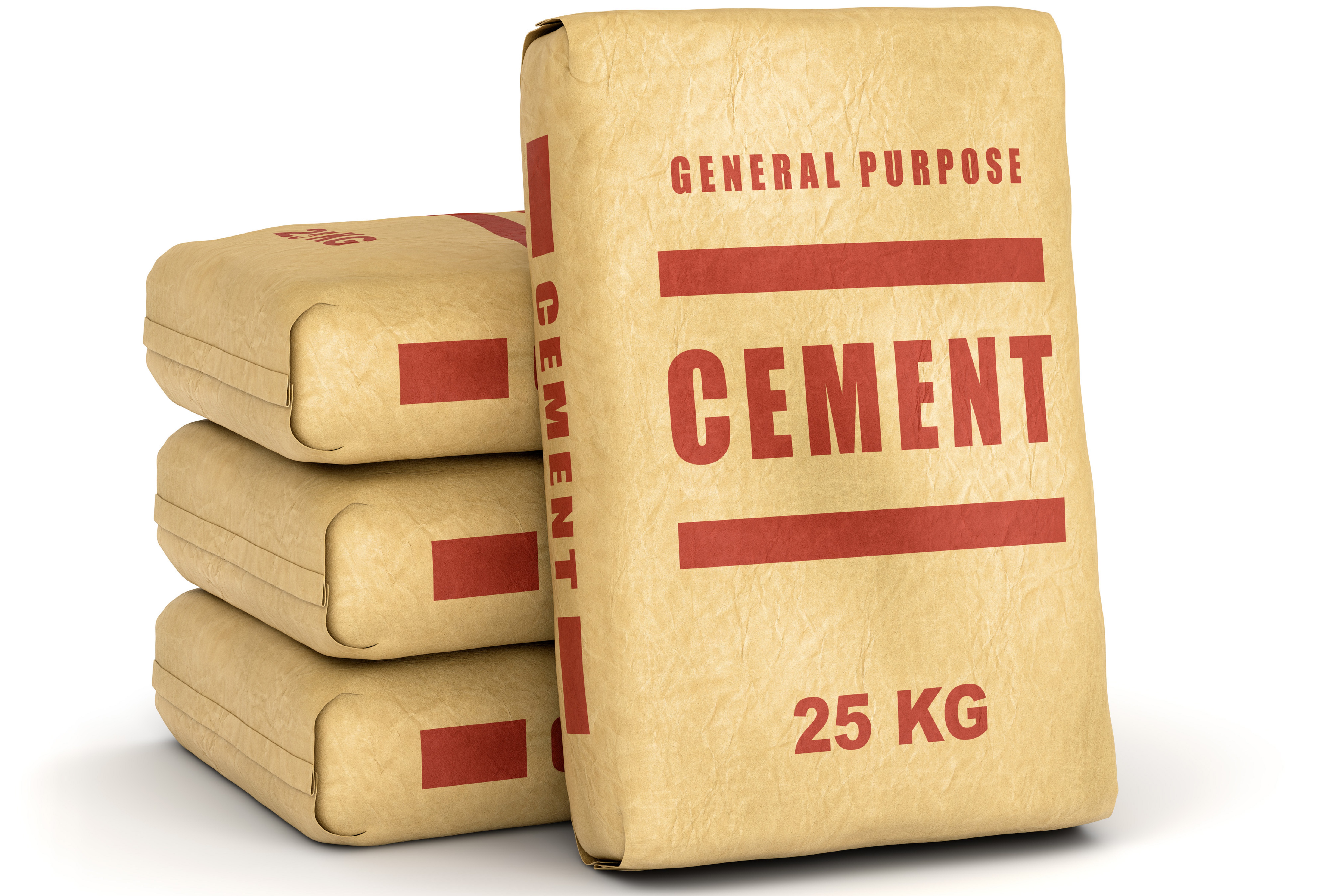
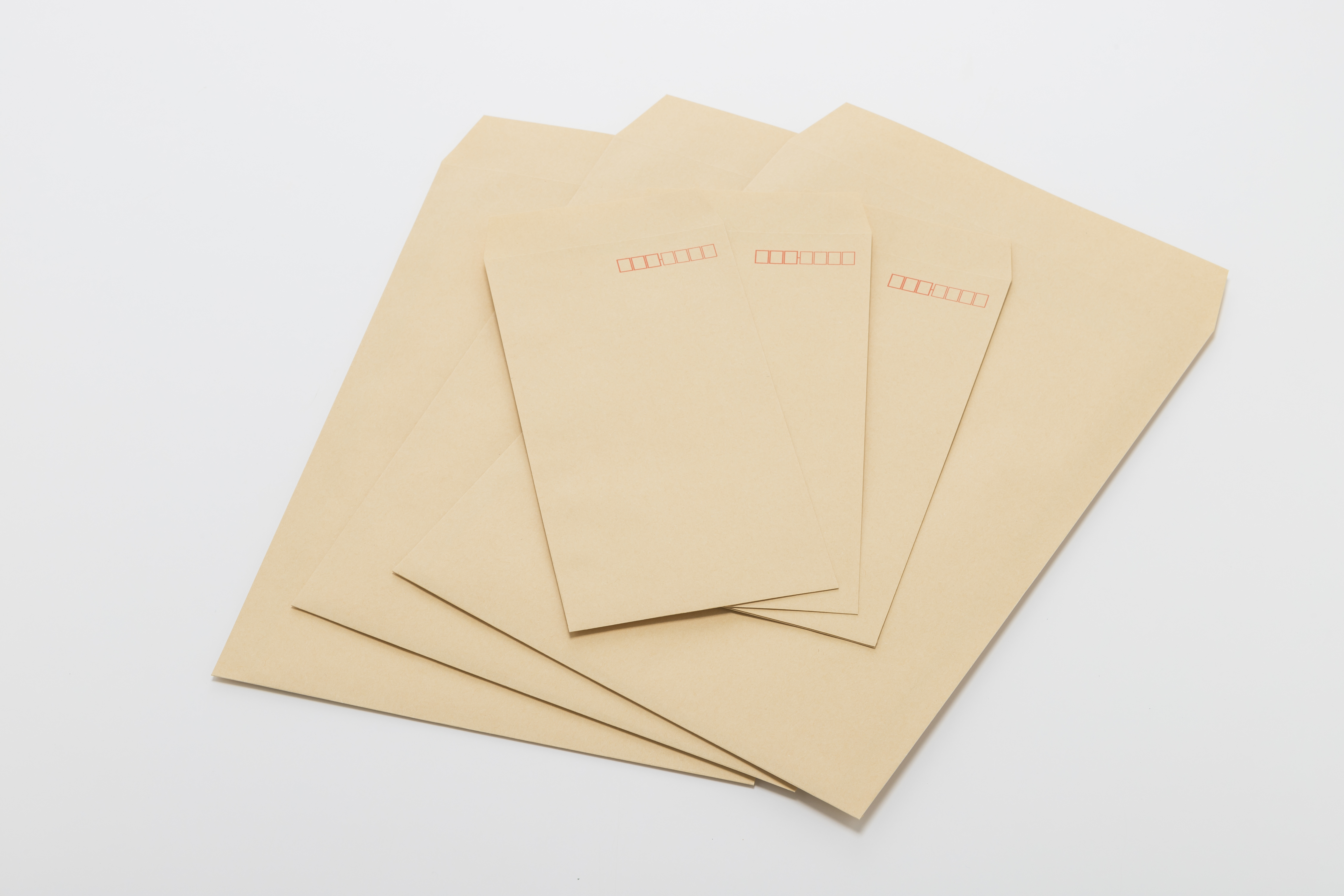
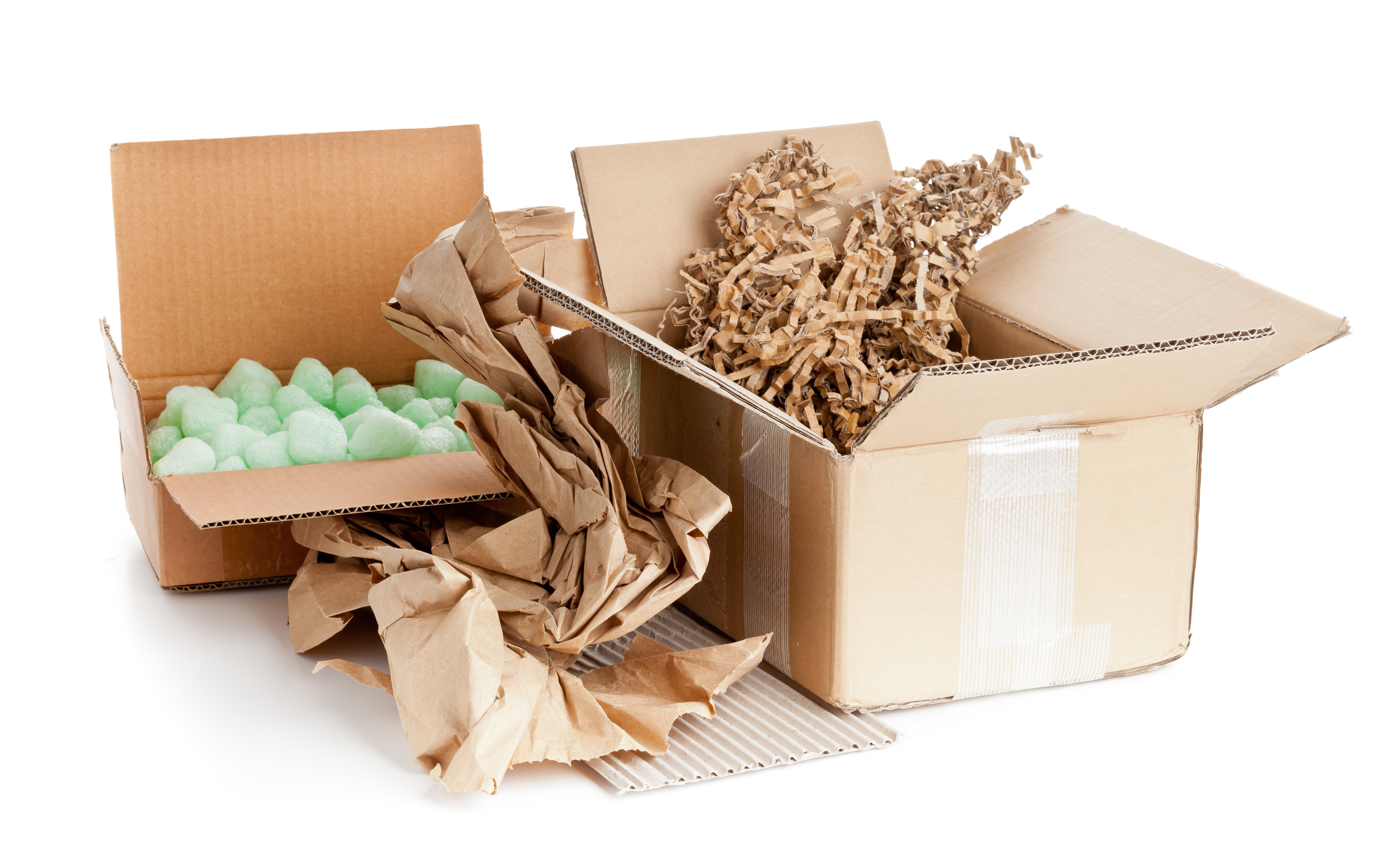
Packaging paper includes paper for heavy packaging used to pack heavy industrial products such as cement, rice, and wheat, and paper for lighter packaging used in general packaging, paper shopping bags, and envelopes. There are various types of packaging paper, including “kraft paper,” to suit each purpose, and it is used for a wide range of applications.

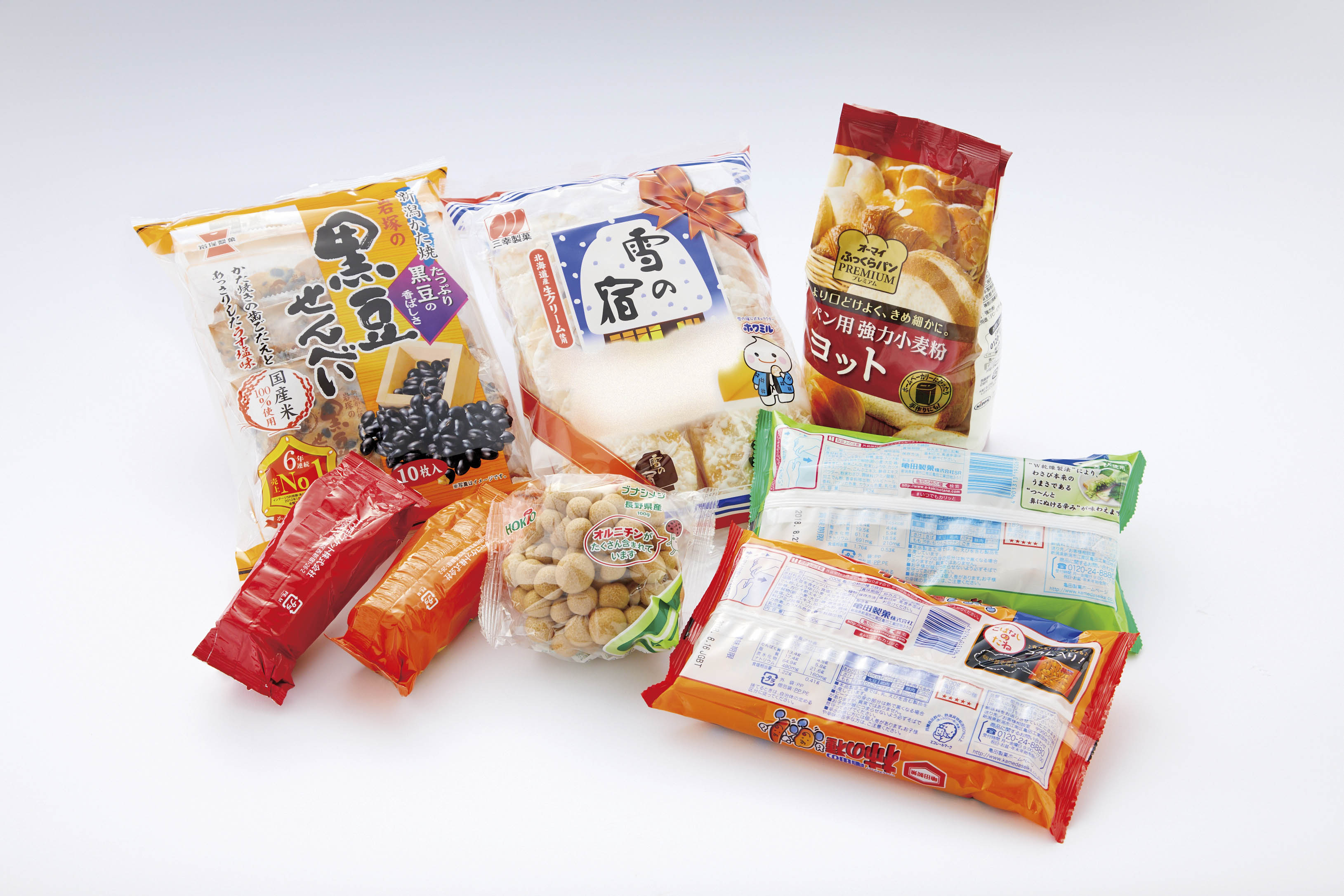
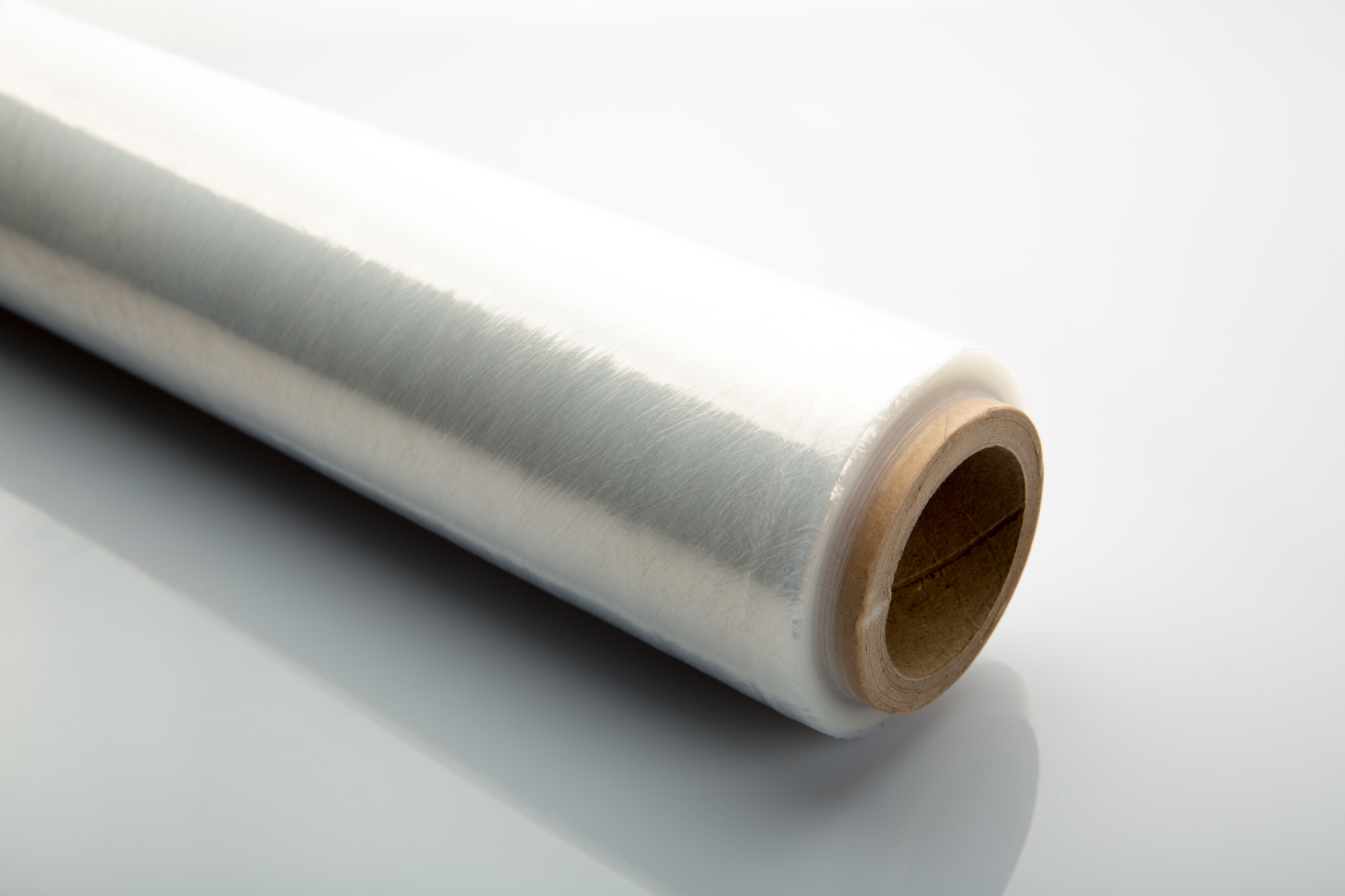
The main chemical products we handle are flexible packaging films (polypropylene (PP), etc.) In addition to being durable and lightweight, they are also elastic, suitable for processing, transparent, and have barrier properties. They are used in a wide range of products, such as food packaging for vegetables and confectionary, and for detergents and shampoo (for refills). We also offer synthetic paper and corrugated plastic

Paperboard is mainly divided into “containerboard” and “boxboard” and is widely used in packages. Containerboard is the base paper for making paperboard boxes and accounts for approximately 80% of all the paperboard. “Boxboard” is the base paper for the paper boxes used for confectionary, tissues, and so on, as well as cards and other products.
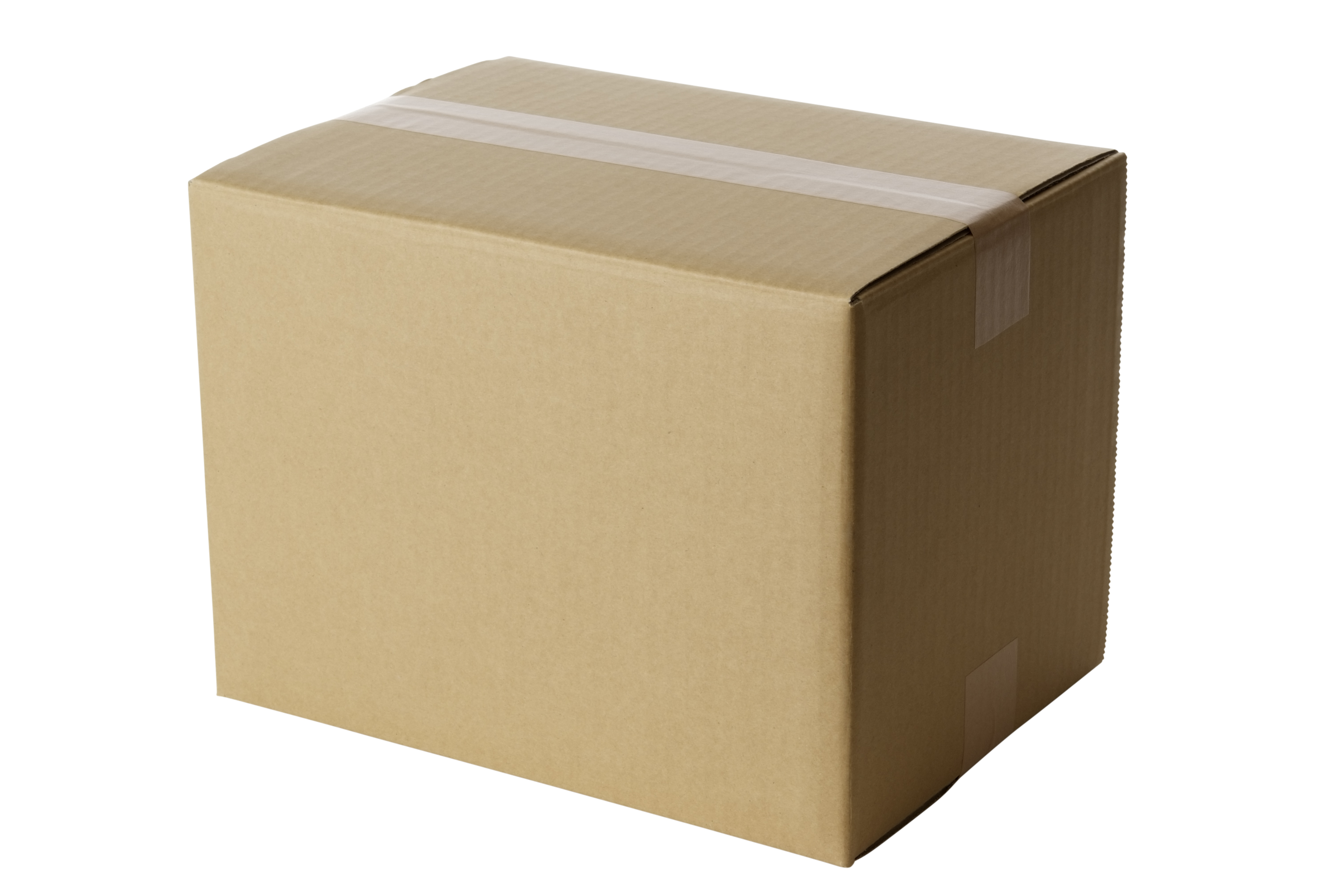
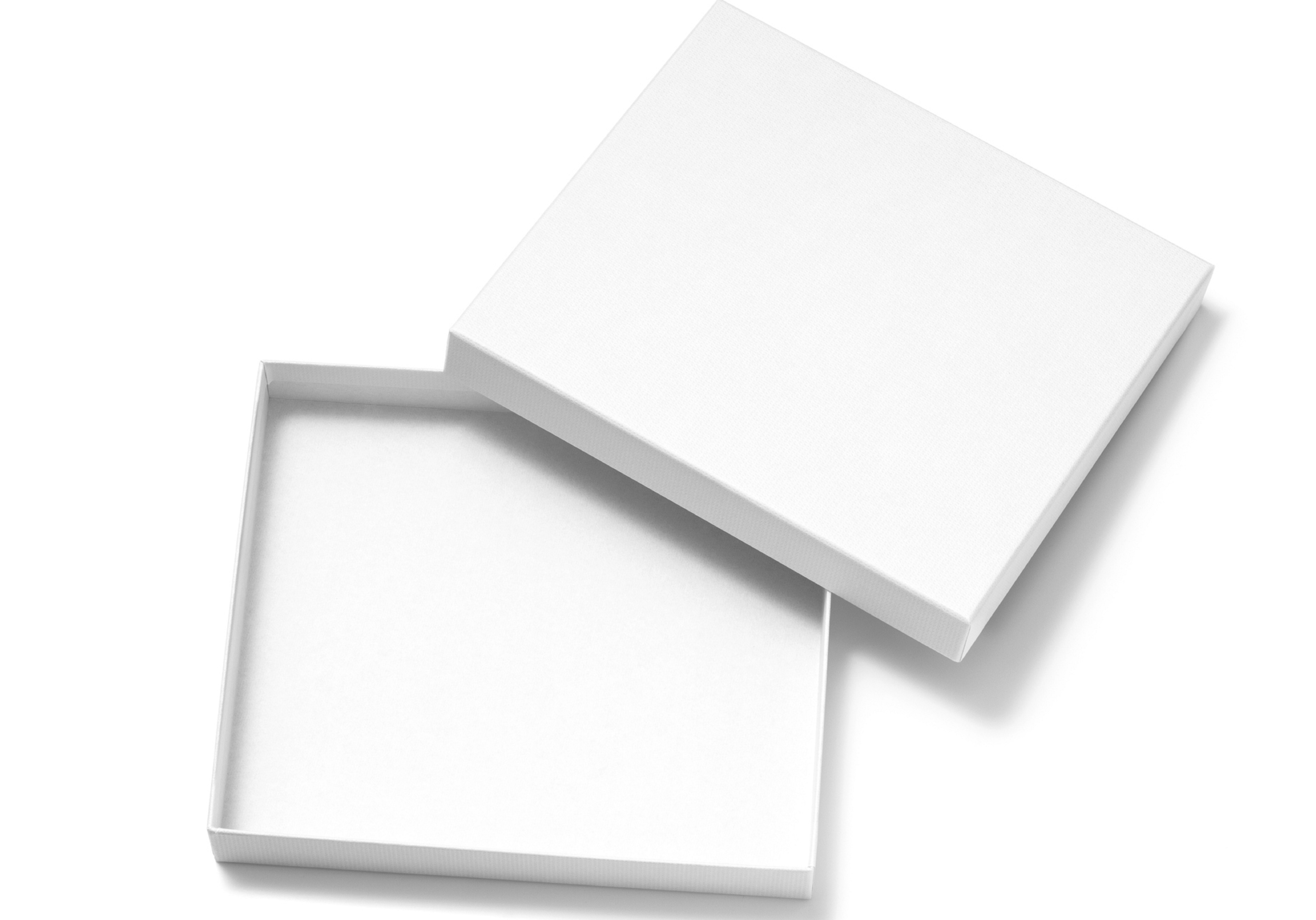
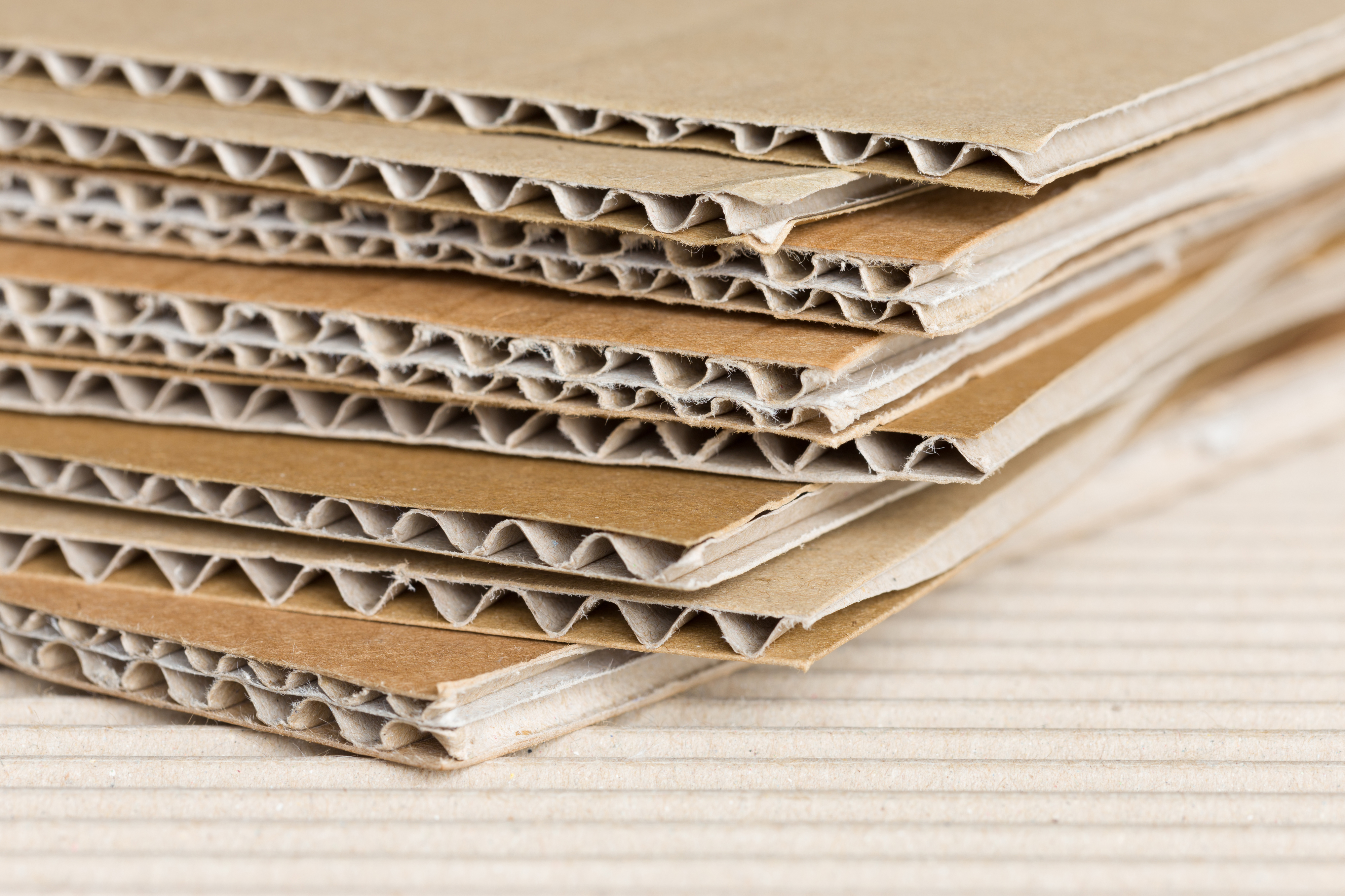
Industrial products, agricultural products, beverages, and processed food are all delivered to consumers via physical distribution process. The things that keep the products safe and secure during this physical distribution process are packages, such as containerboard packages and paper containers. High-strength containerboard is used for the package exterior, while aesthetically pleasing paper boxes are used for the package interior. In addition, paperboard and containerboard are mostly made of recycled paper, and thus make a great contribution to the society as ecofriendly materials.
At SHIFT ON, our comprehensive business solutions platform, we provide specialized proposals for packaging and packing. From materials to finished products, we deliver tailored solutions designed to meet your needs and solve your challenges.
For packaging-related inquiries, please visit here (site available in Japanese only)
Currently, approximately 40% of the raw materials consumed throughout the paper industry comes from pulp, while the remaining 60% comes from recovered paper. We procure and sell these raw materials by using our network in Japan and around the world.
|
Pulp consists of fibers that are extracted from wood. It varies in type depending on the combination of tree species, manufacturing methods, and other factors. Coniferous wood produces strong and tear-proof paper because of its thick and long fibers, while broadleaved wood produces less strong, yet smooth surface paper because of its thin and short fibers. We procure and sell a wide range of raw materials based on the intended applications of manufacturers. Through the distribution of forest-certified pulp, we promote the procurement of raw materials whose legality and other features can be confirmed.
Types of pulp * Classification by wood type 1) Coniferous wood (N material) 2) Broadleaved wood (L material) * Classification by use of bleaching process 1) Bleached 2) Unbleached * Classification by manufacturing method 1) Chemical pulp (KP,SP,AP) 2) Mechanical pulp (GP,TMP) |
|
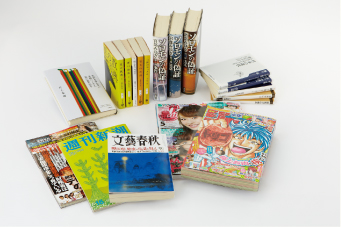
The different types of paper used by consumers as products and the waste paper generated by processors during processing are collected as recovered paper. After recovered paper is delivered to a paper manufacturer, it is deinked, bleached, and then turned into recovered paper pulp, after which it is recycled into paper again. This recycling ring is an environmentally conscious social system that allows us to carefully use the limited resources we have. We procure recovered paper through our nationwide network and sell it to paper manufacturers.
Main types of recovered paper [Newspapers] Paper for newspapers (including fliers) and residual paper [Magazines] Weekly magazines, monthly magazines, books, telephone books, etc. [Containerboard] Containerboard boxes for home electrical appliances, textiles, fruits and vegetables, etc. [Miscellaneous recyclable paper] Paper and paper board generated by households that does not fall under any of the three categories above or beverage pack category. [Office paper] Copy paper, wrapping paper, paper bags, etc. generated by offices |
Ordinary paper with newly added functions is called functional paper. Paper has several properties, such as hydrophilicity (absorbs water easily), electric resistance (does not conduct electricity), and heat resistance paper is processed using these properties to adapt to it to the intended use and purpose, it can be applied in a variety of areas. Most types of functional paper are used in the processing of industrial products. In addition to these functional papers that serve useful purposes behind the scenes, we handle special paper, synthetic paper, and other related materials.
Intended purpose: Electric and electronic appliances, agricultural and food products, retailers, etc.
- Greaseproof paper, waterproof paper, rust-inhibitor paper, dustless paper, sterilized paper, metal joined paper, non-flammable paper, and base paper for adhesive paper
- Core paper, non-woven fabric, water-soluble paper, saturating decorative paper, sticker release paper, glass fiber paper YUPO®, etc.
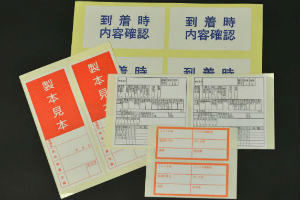
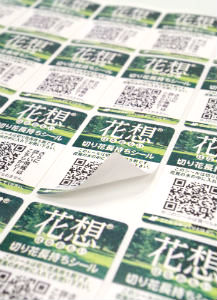
The stickers and labels that we see on a casual basis are made by printing and processing tack paper, which is the base paper. These stickers and labels are used for various purposes, including price tags, food labels, office automation labels, in-plant process control labels, and delivery labels. The combination of base paper, glue, and release paper varies depending on the conditions, environment, printer, etc.
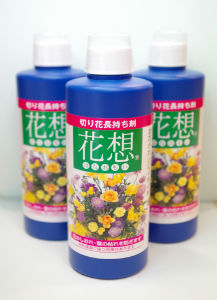
Hana-Omoi prolongs the lives of cut flowers. The seal-type Hana-Omoi possesses a life-prolonging agent applied to the back of the seal. All you have to do is to peel the seal from the separator and put it into a vase, which then enables the flower to last longer than usual. The product is available in liquid bottles as well as small packs containing the agent.